By Dr. Laureano Giraldez-Rodriguez, MD, FACS
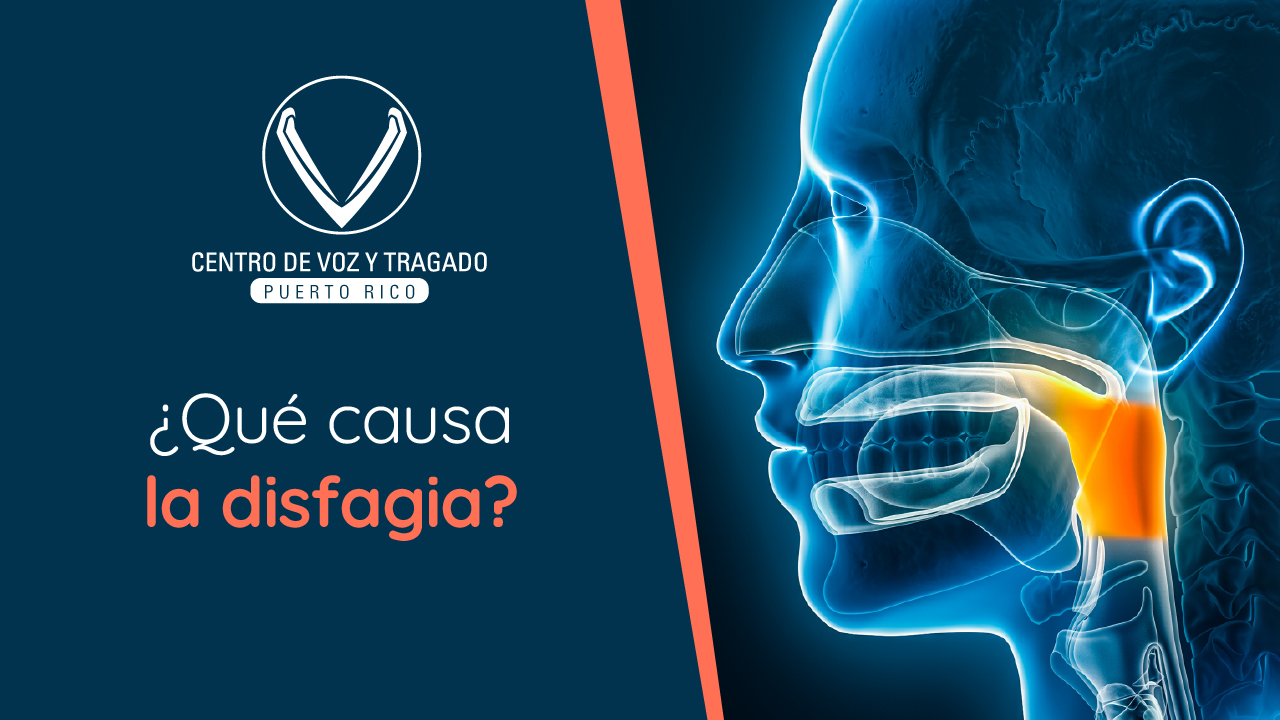
When someone begins having difficulty swallowing, one of the first questions that comes up is: why is this happening to me? The answer isn’t always simple. Dysphagia can have many causes, and understanding them is the first step toward finding the right treatment.
Swallowing Is More Complex Than It Seems
Before discussing causes, it’s important to understand that swallowing is not a simple movement. It is a coordinated action involving more than 30 muscles and several nerves working in perfect sequence. When any part of that process fails, the result can be difficulty swallowing.
That’s why the causes of dysphagia fall into two broad groups: those that affect muscles and nerves, and those related to the physical structure of the esophagus or throat.
Neurological and Muscular Causes
Conditions that affect the nervous system are one of the most frequent causes of dysphagia, especially in older adults. Among the most common are:
- Stroke (CVA): This is one of the most frequent causes of dysphagia. When a stroke damages the areas of the brain that control swallowing, the muscles involved can become weakened or uncoordinated. It is estimated that between 40% and 70% of stroke survivors experience some degree of dysphagia.
- Parkinson’s disease: As this condition progresses, the ability of the muscles — including those involved in swallowing — to move smoothly and in a coordinated way becomes affected. Rigidity and tremor can make passing food slow and difficult.
- Multiple sclerosis and other neurological diseases: Conditions such as amyotrophic lateral sclerosis (ALS), myasthenia gravis, or multiple sclerosis can damage the nerves that control swallowing and lead to progressive dysphagia.
- Age-related muscle weakness: With aging, the swallowing muscles can lose strength and coordination, a process known as presbyphagia. While more common in older adults, it is important to understand that this is not something that should be ignored.
Structural Causes
Sometimes the problem lies not in the nerves or muscles, but in the physical structure of the esophagus or throat. These causes typically produce what we call esophageal dysphagia, where food has difficulty moving down from the throat to the stomach.
- Narrowed esophagus: The esophagus can narrow due to scarring caused by chronic reflux, inflammation, or previous procedures. When the channel narrows, solid foods are the first to become stuck.
- Esophageal rings and webs: Tissue formations that develop inside the esophagus and reduce its diameter. The Schatzki ring is one of the most well known and can cause episodes of choking on solid foods.
- Achalasia: A motility disorder in which the lower esophageal sphincter muscle does not relax properly to allow food to pass into the stomach. People with achalasia feel that food — and even liquids — get stuck in their chest.
- Tumors: A tumor in the esophagus, throat, or surrounding structures can compress or block the passage of food. Progressive dysphagia that worsens over time, especially with solid foods, is a warning sign that always warrants evaluation.
Other Common Causes
- Gastroesophageal reflux disease (GERD): Chronic irritation of the esophagus from stomach acid can cause inflammation and, over time, narrow the esophagus. It can also affect the sensation of swallowing, making everything feel more difficult or painful.
- Surgery or radiation therapy to the head and neck: Treatments for head and neck cancer frequently affect the tissues and nerves involved in swallowing. Post-treatment dysphagia is one of the most common complications and one that most significantly impacts the quality of life of these patients.
- Infections and inflammatory conditions: Eosinophilic esophagitis, for example, is a condition in which the immune system triggers inflammation in the esophagus, causing difficulty swallowing — especially with solid foods such as meat or bread.
Why Is Identifying the Cause Important?
Treatment for dysphagia depends on its cause. Dysphagia caused by muscle weakness is treated very differently from that caused by a narrowed esophagus or a neurological condition. Without a proper evaluation, treatment may be ineffective or even worsen the situation.
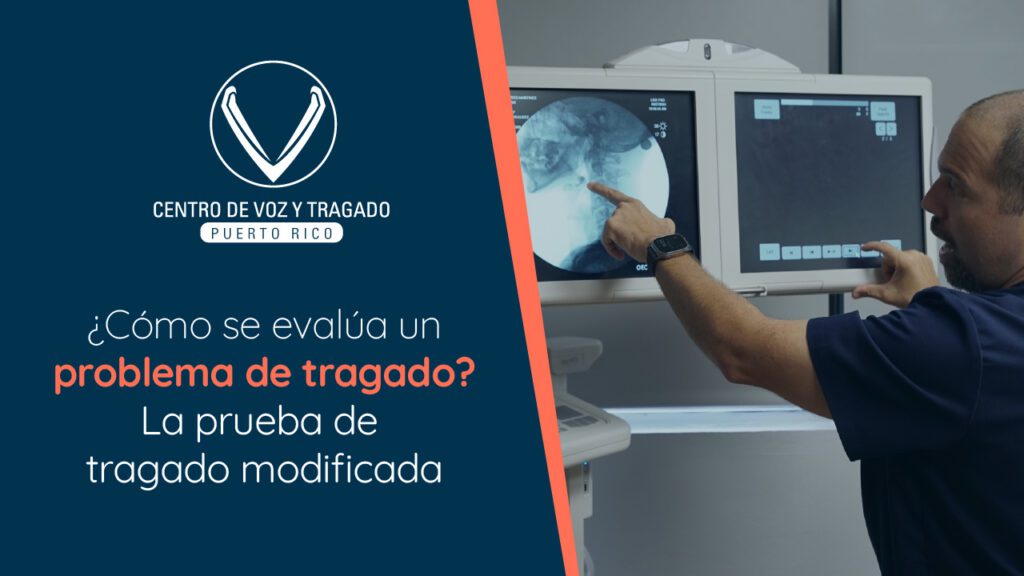
At the Voice and Swallowing Center of Puerto Rico, our evaluation process is designed to identify exactly what is causing your difficulty swallowing. We use specialized tools such as the Modified Barium Swallow Study (MBSS), which allows us to observe in real time how food moves from the mouth to the stomach.
Not All Causes Are Obvious, But All Have a Solution
Many people live with dysphagia for months or years before seeking help, thinking it is part of aging or that there is no solution. The reality is that, regardless of the cause, there is a treatment plan that can significantly improve your quality of life.
If swallowing has become difficult, uncomfortable, or something just doesn’t feel right, don’t ignore it. At the Voice and Swallowing Center of Puerto Rico, we are here to evaluate you, identify the cause, and support you throughout your recovery.