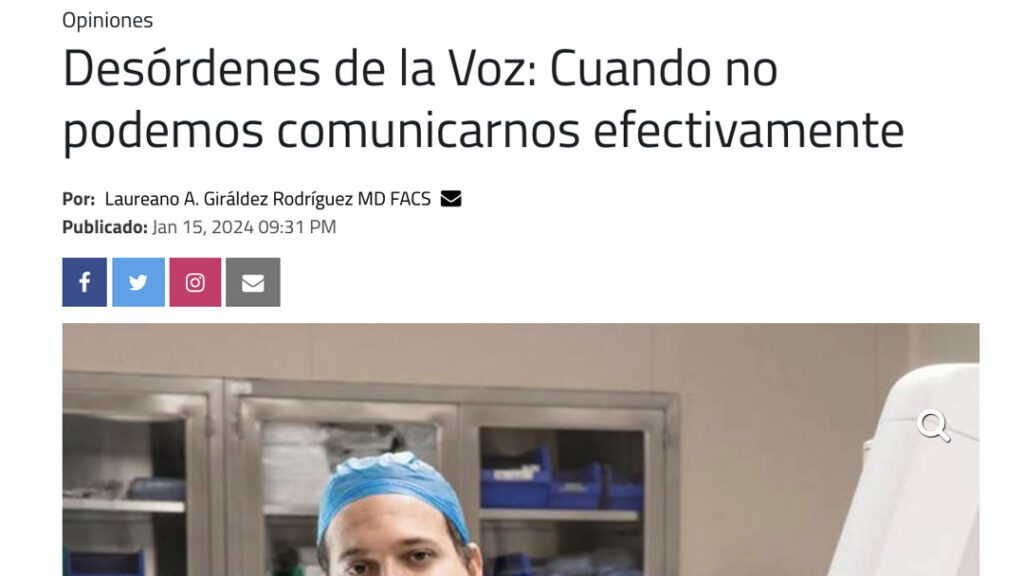
By Dr. Laureano Giraldez-Rodriguez, MD, FACS
When we hear “tonsillectomy,” most of us think of a kids’ surgery. But the reality is adults need their tonsils removed too, and the experience is quite different. If a tonsillectomy has been recommended to you or you’re considering one, I want to give you clear, honest information about what it involves.
Why would an adult need a tonsillectomy?
The most common indications for tonsillectomy in adults include recurrent tonsillitis. If you have seven or more episodes in one year, five or more per year for two consecutive years, or three or more per year for three consecutive years, and these episodes are affecting your work, your social life, and your overall well-being, tonsillectomy is a legitimate option.
Obstructive sleep apnea is another important indication. In selected patients where the tonsils are significantly enlarged and contribute to airway obstruction during sleep, their removal can be part of the treatment plan.
Recurrent peritonsillar abscesses are a frequent indication in adults. If you’ve had two or more abscesses, the likelihood of recurrence is high, and tonsillectomy can prevent future episodes.
Asymmetric tonsils, where one tonsil is noticeably larger than the other, require evaluation to rule out lymphoma or other malignant processes. In some cases, tonsillectomy is performed for diagnostic purposes.
Recurrent tonsil stones, or tonsilloliths, causing persistent bad breath and throat discomfort, can also be a reason to consider surgery, though usually after trying conservative measures first.
What you should know: recovery in adults is different
This is where I want to be completely honest with you. Tonsillectomy in adults has a significantly harder recovery than in children. This is because adult tissue is more vascularized, healing is different, and tolerance to postoperative pain is different.
Postoperative pain is complaint number one. The first three to five days are uncomfortable, but days five through ten can be the worst because that’s when the scabs that form where the tonsils were start to come off. This can cause a temporary increase in pain and, in some cases, bleeding.
Full recovery typically takes two to three weeks. During this time, your diet will be limited to soft, cold foods. Talking can be painful. And there’s a postoperative bleeding risk of approximately three to five percent that may require a return trip to the hospital.
Preparing before surgery
Proper preparation can make a significant difference in your recovery. I recommend having plenty of water, ice cream, popsicles, cold or lukewarm broth, pudding, yogurt, and other soft foods on hand at home. A humidifier in your bedroom helps keep your throat moist while you sleep.
It’s important to stop aspirin, ibuprofen, and any supplements that could increase bleeding risk at least two weeks before surgery. Plan for at least two weeks off work, especially if your job requires a lot of talking.
The procedure
Tonsillectomy is performed under general anesthesia and typically takes between 30 and 45 minutes. There are several surgical techniques: electrocautery, radiofrequency, cold dissection, and coblation-based techniques. Each has advantages and drawbacks, and the choice depends on the surgeon’s preference and experience.
In my practice, I use the technique I consider most appropriate for each individual case, prioritizing effective hemostasis and minimizing postoperative pain.
Tips for recovery
Hydration is the most important thing during recovery. Take small sips of water constantly, even when you’re not thirsty. Dehydration worsens pain and increases the risk of complications.
Stay on your pain medication schedule as prescribed. Don’t wait until the pain is intense to take your medication; it’s easier to prevent pain than to control it once it sets in.
Avoid hard, crunchy, acidic, or spicy foods for at least two weeks. These can irritate the healing tissue and increase bleeding risk. Cold, soft foods are your best allies.
Rest. Your body needs energy to heal. Don’t try to jump back into your normal activities too soon.
When to seek urgent care
You should go to the emergency room immediately if you have active bleeding from the mouth, if you’re spitting up bright red blood, if the bleeding is more than small traces of blood in your saliva, if you have a fever above 101.5°F, or if you can’t maintain oral hydration.
Tonsillectomy in adults isn’t a decision to take lightly, but when it’s indicated, it can significantly improve quality of life. If you’ve been dealing with recurrent infections or problematic tonsils, a conversation with your ENT can help you figure out if this is the right option for you.