By Dr. Laureano Giraldez-Rodriguez, MD, FACS
Swallowing is so natural that we never think about it — until it becomes a problem. We swallow between 600 and 1,000 times a day without even realizing it. But when that most basic process becomes difficult, the worry and frustration can be overwhelming. If you feel food getting stuck, you choke on liquids, or swallowing has become uncomfortable, you may be experiencing dysphagia.
I’m Dr. Laureano Giraldez, and at the Voice and Swallowing Center of Puerto Rico I specialize in evaluating and treating swallowing disorders. Today I want to explain what dysphagia is, why it occurs, and most importantly, why you should never ignore these symptoms.
What is Dysphagia?
Dysphagia is the medical term for difficulty swallowing. It is not a diagnosis in itself, but rather a symptom that can have various causes. It may present as:
- A sensation of food getting stuck in the throat or chest
- Pain when swallowing
- Needing to make extra effort to get food down
- Coughing or choking while eating or drinking
- The feeling that something is blocking the passage of food
Types of Dysphagia
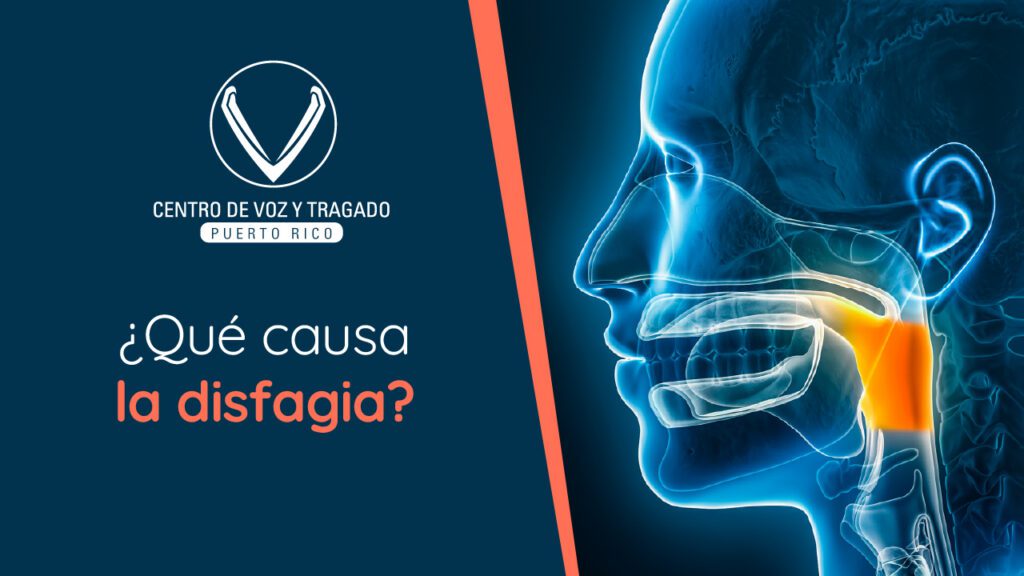
Dysphagia is generally classified based on where the problem occurs. Oropharyngeal dysphagia affects the initial phase of swallowing, from the mouth to the throat. It is more common in people with neurological conditions such as strokes, Parkinson’s disease, or multiple sclerosis. It can also occur due to age-related muscle weakness or following surgery or radiation therapy to the head and neck.
Esophageal dysphagia occurs lower down, when food has difficulty passing through the esophagus to the stomach. It can be caused by esophageal narrowing, tumors, esophageal rings, or motility disorders such as achalasia, where the organ loses its ability to contract properly.
The Importance of Treating Dysphagia
Beyond being an inconvenience, dysphagia can have serious consequences for your health.
Aspiration: This occurs when food or liquid enters the airway instead of going to the stomach. Repeated aspiration can cause pneumonia, a lung infection that can be serious, especially in older adults.
Malnutrition and dehydration: When swallowing is difficult or painful, people naturally eat and drink less. Over time, this leads to weight loss, weakness, and nutritional deficiencies that affect the entire body.
Social and emotional impact: Eating is a social act in our Latino culture. Family gatherings, celebrations, even a simple coffee with friends — everything revolves around food. When someone is afraid of choking or feels embarrassed while eating, they tend to withdraw, which affects their emotional well-being.
When Should You Seek Help?
If you experience any of these symptoms on a recurring basis, it’s time to consult a specialist:
- Frequent coughing while eating or drinking
- Sensation of food stuck in the throat or chest, or pain when swallowing
- Unintentional weight loss
- Needing to cut food into very small pieces or avoiding certain foods
- A wet or gurgling voice after eating
- Choking episodes
Early evaluation allows us to identify the cause and begin a treatment plan before complications arise.
How is Dysphagia Evaluated?
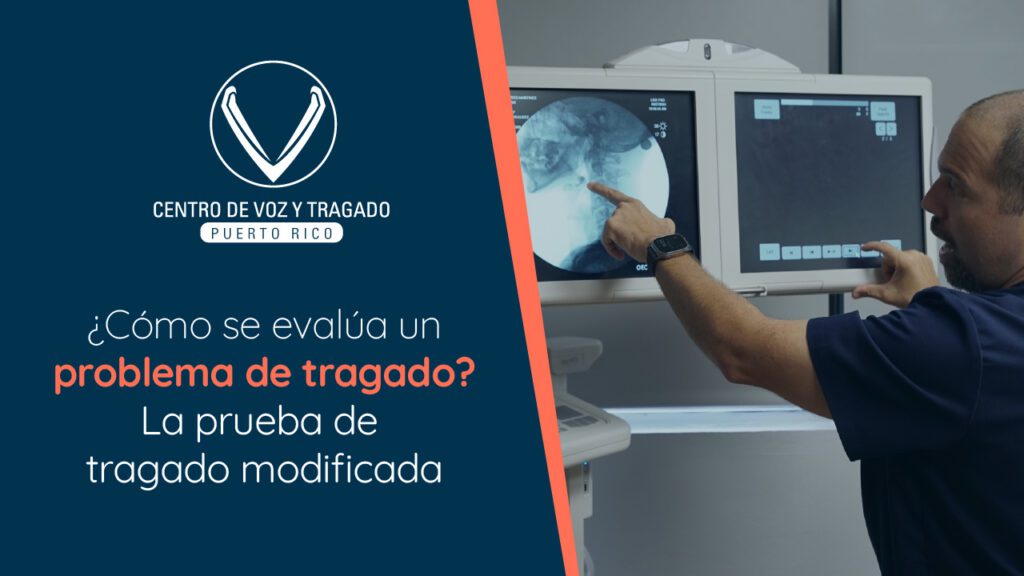
At CVTPR, we begin with a comprehensive clinical evaluation where we review your medical history, your symptoms, and observe how you swallow. Depending on the findings, we may recommend specialized studies such as the Modified Barium Swallow Study (MBSS), where we observe in real time how food and liquids pass from your mouth to your stomach using X-ray imaging.
Treatment Options
Treatment for dysphagia is as varied as its causes. It may include swallowing therapy with a specialized speech-language pathologist, who teaches you exercises and strategies to improve the safety and efficiency of swallowing. In some cases, food textures and liquid consistencies are modified as a temporary measure while rehabilitation is underway. When there are structural causes such as a narrowed esophagus, procedures to dilate it may be required. And in more complex cases, surgery may be necessary.
Your Voice and Your Health Deserve Attention
Dysphagia is not something to normalize or ignore. If swallowing has become difficult, uncomfortable, or frightening, that is a signal that something in your body needs attention. The good news is that, in most cases, it has a solution. At the Voice and Swallowing Center of Puerto Rico, our team is ready to evaluate you, identify the cause, and support you throughout your recovery. Don’t wait for symptoms to worsen.